Specialized Educational Topics & Disciplines
Explore detailed curricula covering biohazard decontamination, forensic restoration, bio-security, advanced decontamination kinetics, and tactical response planning.
Engineered for High-Risk, Complex Contamination
These topics represent the core knowledge domains explored by Jeff Jones during hands-on, in-person training and specialized technical discussions. Each discipline is approached with scientific rigor and tactical precision.
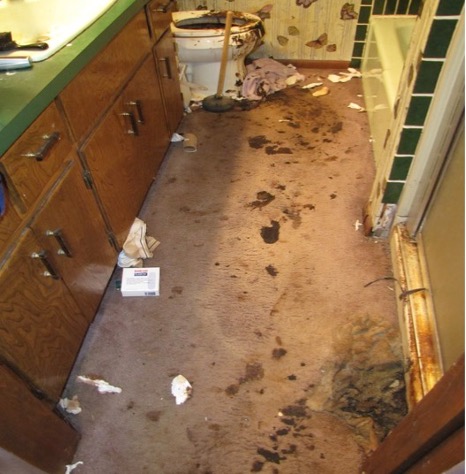
Biohazard Remediation
Specialized education on the biological, physical, and environmental complexities of biological hazard contamination and remediation.
- Pathogen survivability profiles on porous vs non-porous structural substrates
- Chain-of-custody, regulatory containment, and hazardous material disposal controls
- Engineering controls including negative-pressure zonal containment
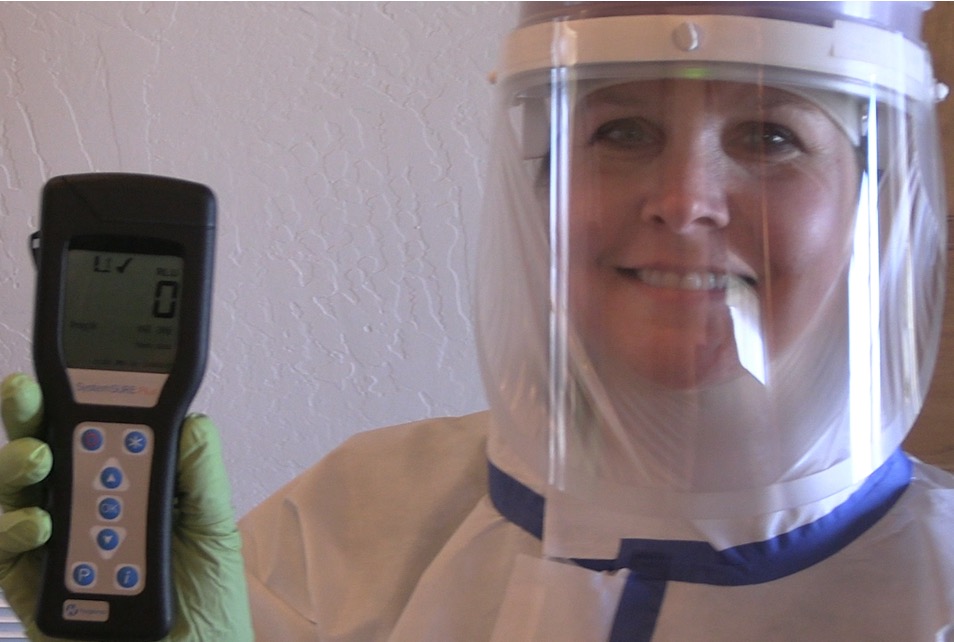
Forensic Restoration
Addressing the forensic and biological intricacies of trauma scenes, post-mortem decomposition, and structural contamination.
- Micro-capillary fluid penetration into framing, subfloors, and sub-slab cavities
- Volatile organic compound (VOC) and fatty acid odor neutralization at the molecular level
- Cross-contamination prevention in multi-unit and complex architectural footprints
Bio-Security & Facility Defense
Strategic defense protocols and perimeter isolation to safeguard healthcare, research, and critical commercial facilities from biological infiltration.
- Aerosol dispersion vectors and HVAC mechanical isolation protocols
- Airlock entry/egress decontamination staging (Antechambers and Doffing stations)
- Surface longevity metrics of antimicrobial barriers and electro-statically applied coatings
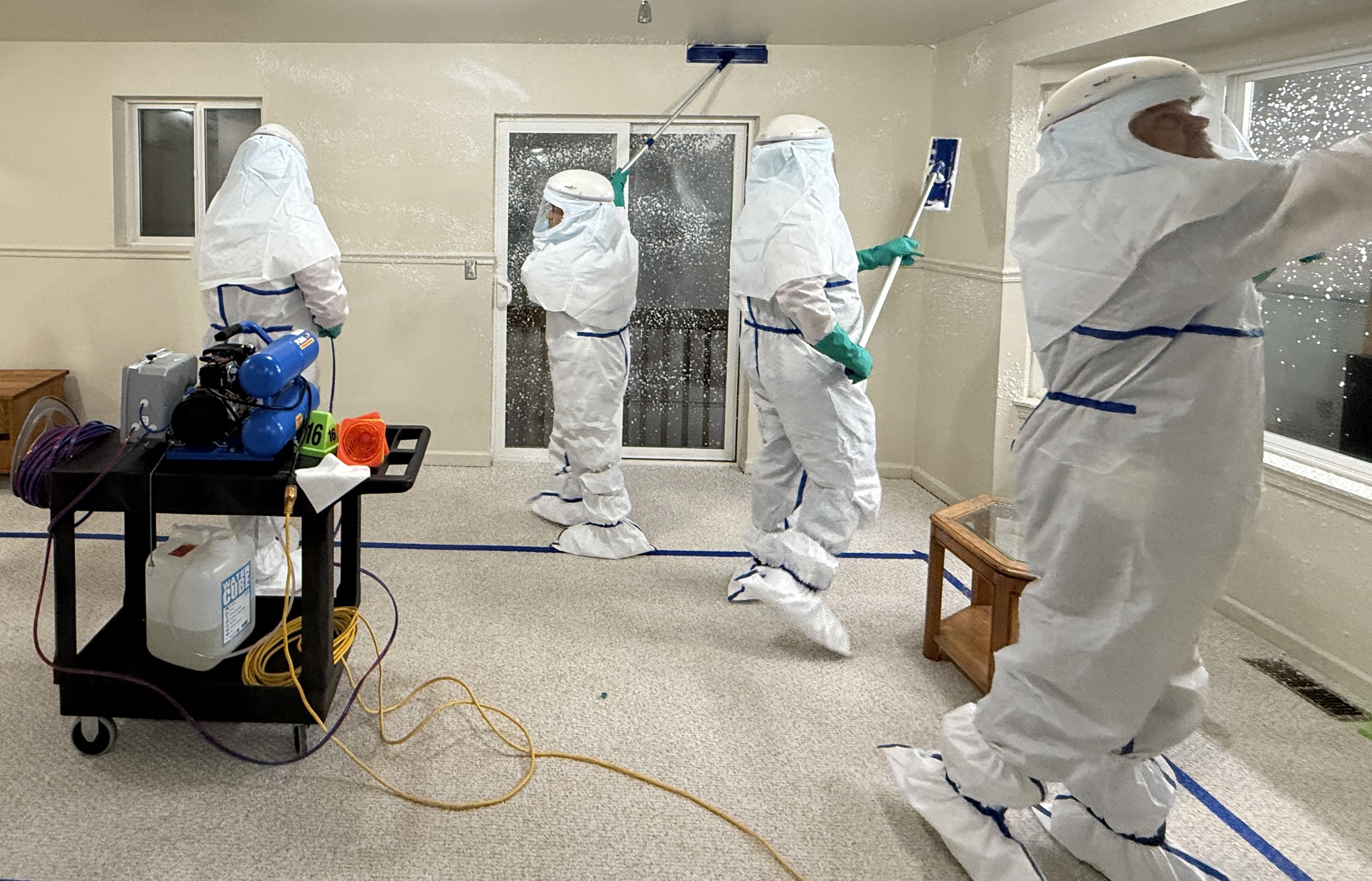
Advanced Decontamination
Deep dive into chemistry kinetic rates, contact dwell times, microbial log-kill benchmarks, and broad-spectrum decontamination sciences.
- Biofilm disruption mechanics and surfactant surface tension reduction
- Oxidizing chemistry selection: hydrogen peroxide vapor, peracetic acid, and chlorine dioxide
- Dwell time validation and environmental variables (temperature, humidity, pH)
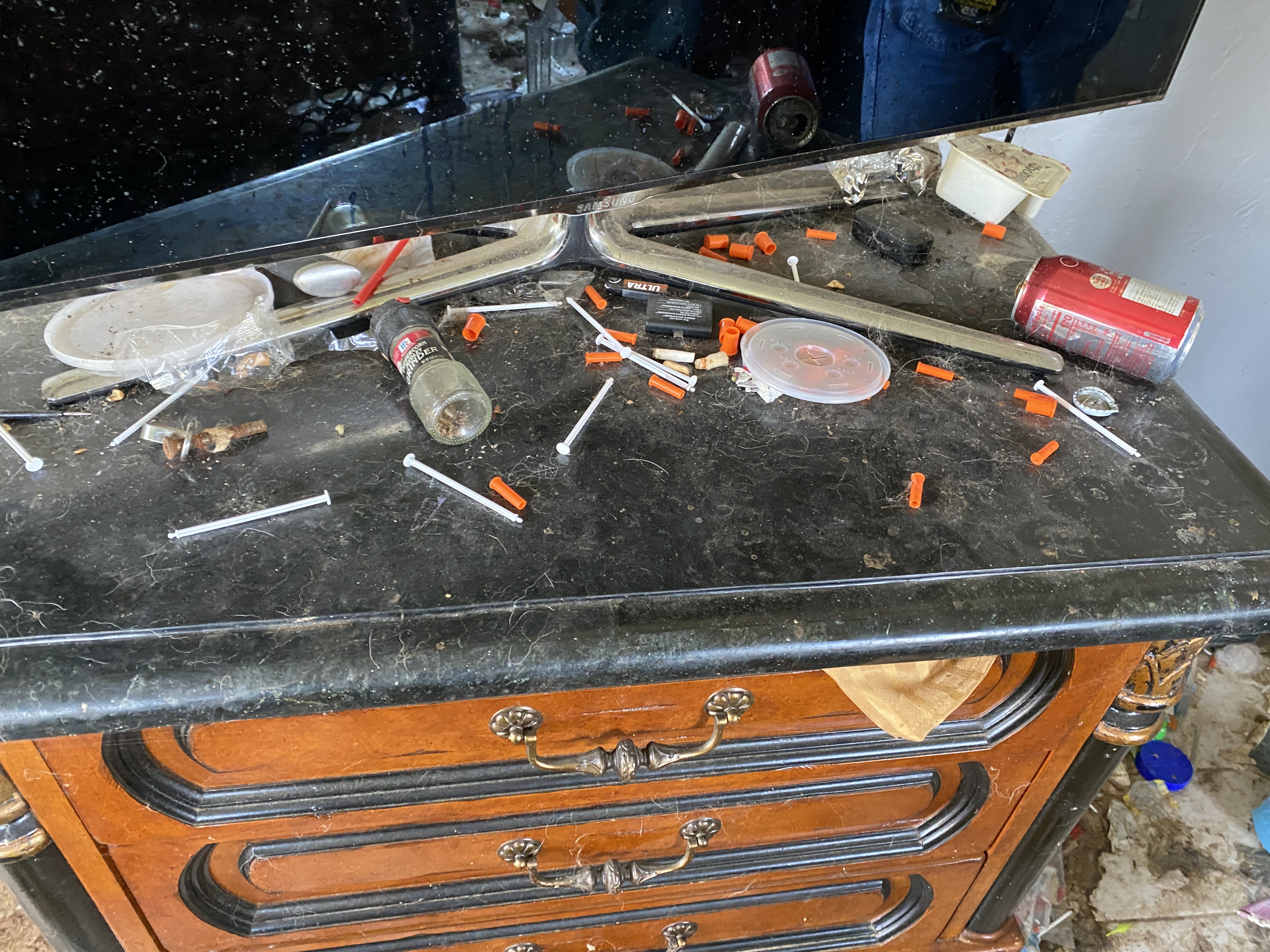
High-Risk Environments
Managing multi-hazard sites where biological threats intersect with toxic fumes, hoarded bio-loads, animal infestations, or structural decay.
- Respiratory selection matrix: PAPR vs SCBA vs APR based on oxygen deficiency and particulate load
- Heat stress, ergonomic fatigue, and structural load assessments in extreme heat/cold
- Confined space protocol adherence and hazardous atmospheric gas monitoring (H2S, CO, VOCs)
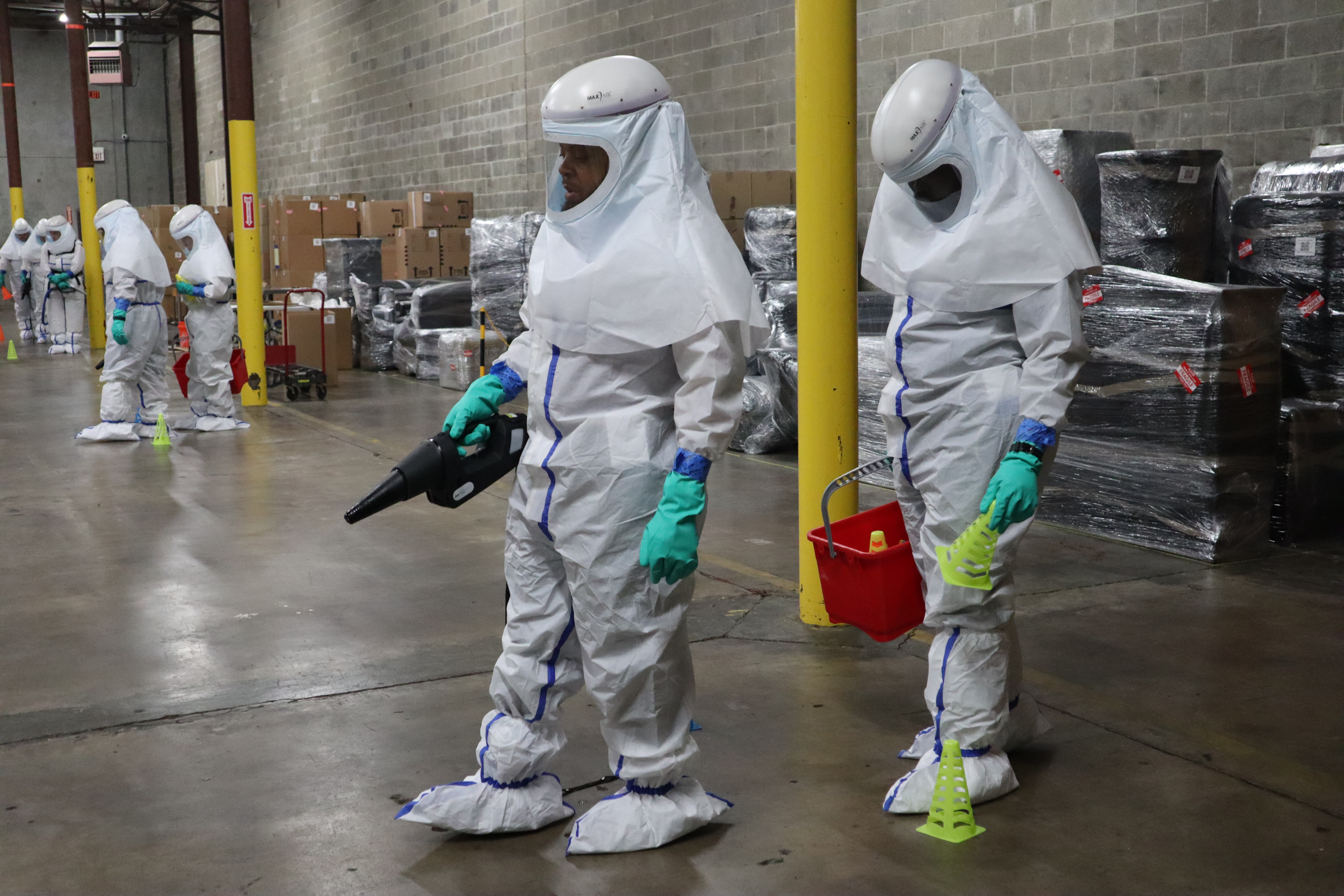
Tactical Response Planning
Structured command frameworks, site logistics, and step-by-step contingency blueprints for high-consequence incidents.
- Site characterization, threat tiering, and zoning (Hot, Warm, Cold zones)
- Decontamination line placement and waste egress pathway optimization
- Standard Operating Procedures (SOPs) for unforeseen containment breaches
Looking for a Focused Discussion on a Specific Topic?
Jeff Jones frequently tailors hands-on, in-person training to address community and technician inquiries regarding specific contamination scenarios, equipment calibration, and chemical kinetics.